












Why Trying to Conceive Can Feel Like a Full-Time Research Project—and How to Find a Clearer Way Forward
Written by I AM EXPANSION Editorial Team
Published September 2026
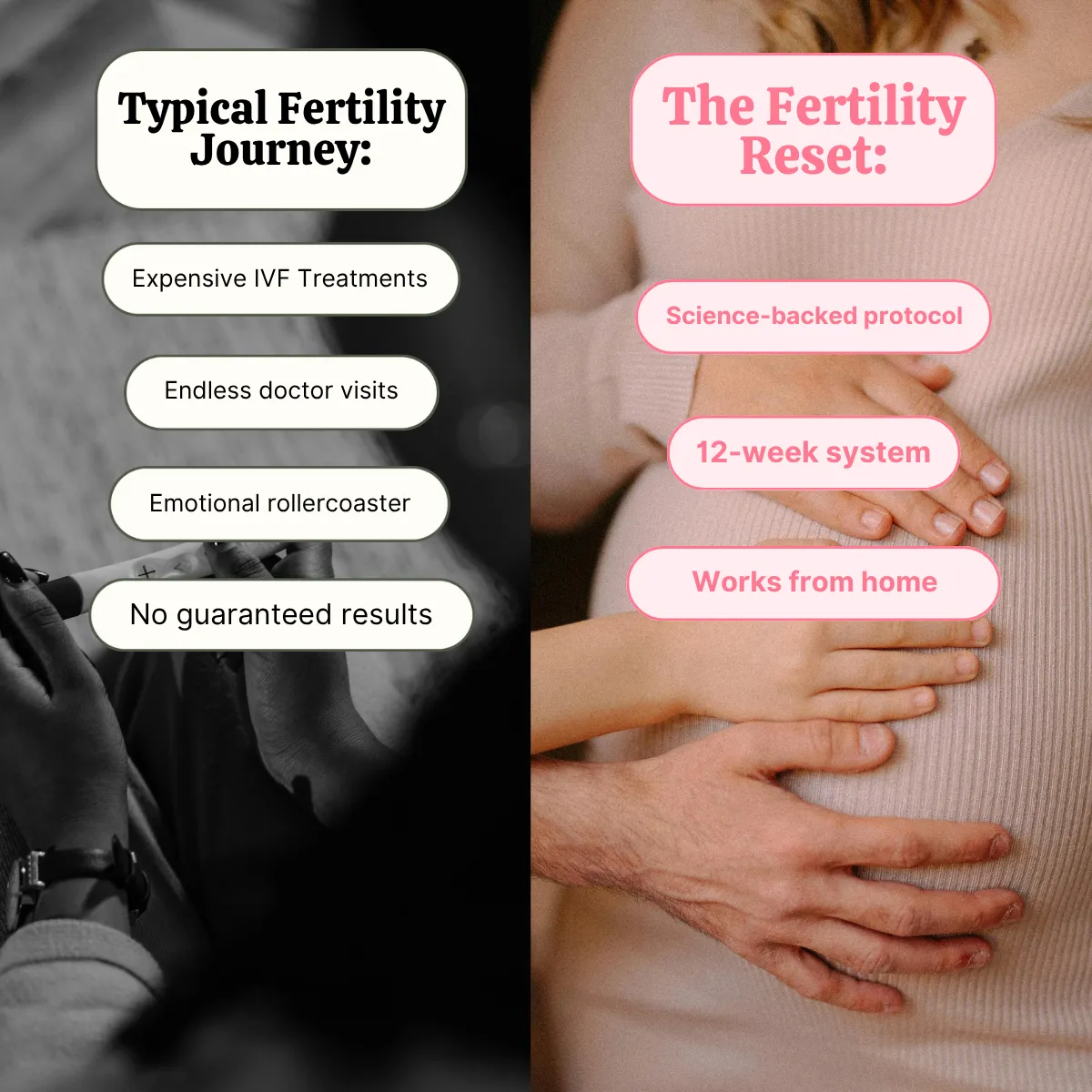
The short answer: Trying to conceive often becomes overwhelming when cycle tracking, nutrition advice, lifestyle changes, emotional pressure and relationship concerns are treated as separate problems. Clarity grows when you organise what you are observing, choose realistic actions and give each part of the journey a useful place.
At first, you may download an app and expect it to make timing simple. Then you begin reading about ovulation signs, food choices, sleep, exercise, stress, supplements and the many things a partner could be doing too.
Every answer seems to create three more questions. A symptom that felt reassuring yesterday becomes worrying today. A piece of advice that sounds sensible in one article appears to be contradicted in the next. You keep searching because you care deeply—but the search itself begins to take over.
The emotional weight can spread far beyond a calendar. Meals feel like decisions to get right. Intimacy can become scheduled. The two-week wait occupies your thoughts, and your partner may want to help without knowing what useful help actually looks like.
Trying harder does not automatically create clarity. The turning point is giving scattered information an order you can actually use.
Why Does Fertility Information Become So Overwhelming?
Most fertility information arrives one topic at a time. An app focuses on dates. A meal plan focuses on food. An article explains one cycle sign. A podcast discusses stress. Each piece may sound useful, yet you are still left to decide how it fits with everything else.
That creates a hidden second job: you are not only trying to understand your body; you are also sorting, comparing, prioritising and remembering an enormous amount of advice. More information can therefore produce less confidence when it has no structure.
Cycle timing adds another layer. Ovulation does not simply belong to the same numbered calendar day for every person or every cycle. Dates can offer a starting point, but useful awareness also depends on context and patterns rather than one isolated prediction.
The answer is not to monitor every detail more intensely. It is to become clearer about what you are observing, why you are observing it and what action—if any—the information is meant to support.
Why Common Trying-to-Conceive Approaches Often Lose Their Power
One App Becomes the Final Answer
An app can organise dates and reveal possible patterns, but a prediction is not the same as understanding your individual cycle. When every decision depends on one forecast, a changed date can create unnecessary confusion and urgency.
Every Lifestyle Change Starts at Once
Changing meals, sleep, movement and daily routines in the same week can feel productive, but it is difficult to know what is sustainable. When the plan becomes too demanding, inconsistency can be mistaken for personal failure instead of a sign that the approach needs to be simpler.
Every Sensation Becomes Evidence
Frequent symptom checking can turn ordinary moments into a constant search for meaning. The more closely you look for certainty, the more emotionally charged each sensation may feel—especially during the two-week wait.
Partner Support Stays Too Vague
“Be supportive” sounds positive but does not define a role. Without clear ways to share planning, communication and practical responsibility, one person may still carry the research, tracking and emotional labour alone.
Intimacy Becomes Another Task to Complete
Timing matters when trying to conceive, but a relationship can feel increasingly clinical when every affectionate moment is judged by its place on the calendar. Connection needs attention too, or the process can begin to feel like project management.
What Creates Clarity When There Are So Many Moving Parts?
1. A Useful Reason for Every Observation
Tracking becomes calmer when each observation has a purpose. Instead of collecting every possible detail, focus on information that helps you recognise patterns, prepare questions or make a clear decision.
2. Actions That Fit Real Life
A supportive routine should be repeatable. Small, realistic choices are easier to continue than a perfect schedule that collapses whenever work, tiredness or ordinary life intervenes.
3. A Shared Language Between Partners
Couples work more effectively as a team when they can name what feels difficult, what support would help and which responsibility each person can carry. Clear requests are easier to act on than hoping a partner will know automatically.
These three ideas point to a larger principle: clarity does not come from doing everything. It comes from giving the right action a clear purpose, an appropriate place and a pace you can maintain.
Five Principles for a Calmer, More Organised Approach
1. Look for Patterns, Not Single-Day Verdicts
One date, symptom or reading rarely tells the whole story. Record observations consistently enough to see patterns, then review them together rather than allowing each new detail to decide how you feel that day.
2. Separate Learning From Constant Searching
Choose a defined time to learn and organise information. This creates a boundary between useful education and the endless loop of opening another tab whenever uncertainty appears.
3. Build One Sustainable Layer at a Time
Nutrition, sleep and movement support general wellbeing most effectively when the habits fit your actual life. Choose a manageable change, practise it and allow it to become familiar before adding more complexity.
4. Give the Relationship Its Own Space
Not every conversation needs to be about fertile days, symptoms or next steps. Preserve moments of affection, humour and ordinary companionship so trying to conceive remains part of your relationship rather than becoming its entire identity.
5. Turn Uncertainty Into Better Questions
You do not have to solve every concern through internet research. Organise what you have observed, note what you do not understand and convert uncertainty into focused questions for an appropriate healthcare conversation.
A Four-Question Fertility-Clarity Audit You Can Use Today
Before downloading another app or changing another habit, pause and ask:
- 1. What am I currently tracking, and what useful decision is each observation meant to support?
- 2. Which wellbeing habit feels genuinely sustainable in my normal week?
- 3. Where is fertility pressure affecting my thoughts, time or relationship most strongly?
- 4. Which unanswered question belongs in a healthcare conversation rather than another late-night search?
This audit does not ask you to create a complete plan in one sitting. It helps you distinguish useful action from mental noise. You may discover that you are recording information you never review, attempting too many changes or carrying a question that needs a clearer source.
Once the main source of confusion is visible, the next step becomes easier to choose. Organisation turns a vague sense of “I should be doing more” into a specific, manageable focus.
How to Reduce the Mental Load of the Two-Week Wait
- Choose when you will check information. A defined time can reduce repeated app opening and symptom searching throughout the day.
- Write observations neutrally. Record what you notice without forcing every detail to become a prediction.
- Keep non-fertility anchors in the week. Work, movement, meals, hobbies and time with people you value protect a wider sense of self.
- Make one clear request of your partner. Ask for something specific, such as listening, taking over a task or planning time together.
- Keep important questions in one place. A single organised list is more useful than repeatedly researching the same concern.
The aim is not to pretend the wait does not matter. It is to stop uncertainty from claiming every available moment. Structure gives your attention somewhere constructive to go.
What Meaningful Progress Can Look Like
Progress is not only a final outcome. It can also be seen in how clearly and sustainably you move through the process:
- You understand why you are recording particular cycle observations.
- You follow a manageable routine instead of changing everything at once.
- The two-week wait contains more than checking and searching.
- Your partner has clear, practical ways to share responsibility.
- You arrive at healthcare conversations with organised observations and focused questions.
These shifts matter because they replace scattered effort with informed action. You are no longer trying to hold every piece of advice in your head at once. You are building a way of moving forward that feels clearer, calmer and more connected.
Frequently Asked Questions
Do I Need to Track Every Possible Fertility Sign?
No. More data is not automatically more useful. Choose observations that serve a clear purpose, record them consistently and review patterns instead of collecting information simply because it is available.
Do I Have to Change My Entire Lifestyle?
A realistic plan is more valuable than an extreme one you cannot sustain. Focus on balanced, repeatable habits and introduce changes at a pace that works within your ordinary life.
What If My Partner Wants to Help but Does Not Know How?
Replace broad requests with one practical role. Your partner might share planning, learn the relevant information with you, take responsibility for a wellbeing habit or create protected time for connection.
Can an Organised Approach Be Used Alongside Medical Support?
Yes. Clear records and focused questions can support more constructive conversations while you follow the guidance provided for your individual care. Organisation helps you make better use of the information and support already available to you.
How Do I Stop Fertility From Dominating Every Conversation?
Create intentional times for fertility-related planning, then protect other parts of the relationship. A shared plan reduces the need to revisit every detail repeatedly because both partners know where information, questions and next steps belong.
What If I Have Already Tried to Get Organised?
Previous attempts may have focused on gathering information rather than creating an order for using it. Start with one current source of confusion, decide what purpose the information serves and choose one manageable next action.
Helpful Information Gives You Ideas. A Complete Roadmap Gives Those Ideas an Order.
If apps, articles, symptom checking and lifestyle advice have left you doing more but feeling less certain, the next step is not another disconnected tip. It is a clear structure that shows you what to focus on and when.
The Fertility Reset provides a practical 12-week, step-by-step roadmap that brings cycle awareness, supportive wellbeing habits, emotional resilience, intimacy and partner involvement into one organised approach—so you can move forward with greater clarity without having to assemble the complete plan alone.
EXPLORE THE FERTILITY RESET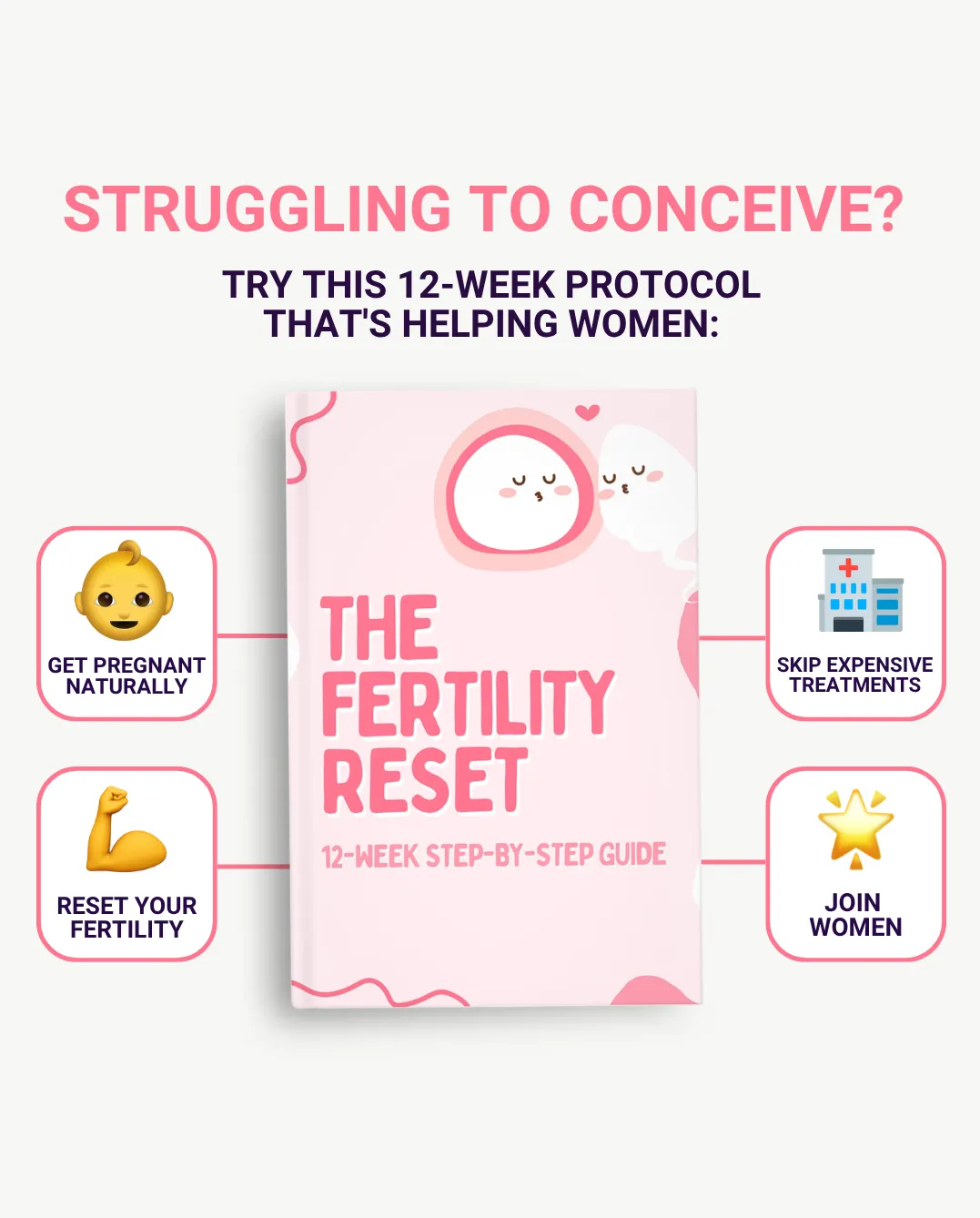
Begin your expansion today.
The right knowledge can change the way you think.
The right action can change the way you live.
Choose your guide and take your next step.

Integrity
Honesty and transparency.

Innovation
Fresh, creative solutions.

Excellence
Top-notch services.

The practical life-solutions library
for becoming your best self.
Expand your mind. Transform your life.
FOLLOW US


Copyright © 2026 I Am Expansion. All Rights Reserved.