












Why Gaming Limits Keep Failing—and How Families Can Rebuild Balance Beyond the Screen
Written by I AM EXPANSION Editorial Team
Published September 2026
The short answer: Repeated gaming conflict is rarely solved by counting hours alone. Gaming may also provide progress, stimulation, belonging, escape or control. Healthier change becomes more realistic when clear boundaries, predictable transitions, meaningful offline rewards and family connection work together.
You ask your child to stop, and their mood changes instantly. “One more game” becomes another hour. Bedtime slips, homework remains unfinished and a routine request ends in bargaining, defensiveness or a slammed door.
You have tried stricter limits, rewards, confiscating devices or a complete ban. Things may improve briefly, but the same pattern returns—and every new rule begins to feel like the opening round of another argument.
The problem is no longer simply how many hours are spent gaming. It is how deeply gaming has become connected to your child’s routines, emotions, friendships, sense of progress and way of switching off from the rest of life.
The goal is not simply to win the next argument. It is to change the pattern that keeps creating the argument.
Why Can Gaming Feel So Difficult to Stop?
Games offer clear goals, visible progress and immediate feedback. There is always another level, task, match or reward waiting. In contrast, homework, chores and long-term goals can feel slower, less certain and far less exciting in the moment.
Gaming can also be social. For some children and teenagers, logging off does not feel like leaving a device; it feels like leaving a team, a shared conversation or the place where they feel most capable and included.
At other times, gaming provides escape from boredom, stress, disappointment or tasks that feel difficult. Removing access may interrupt the behaviour, but it does not automatically replace the relief, stimulation or sense of control the game was providing.
This is why a child can understand the rule and still resist it intensely. The screen is visible, but the strongest pull may be the need sitting underneath it.
Why Common Gaming Solutions Often Lose Their Power
Stricter Limits Change the Hours, Not the Pull
A limit defines when gaming must end, but it does not automatically address the trigger, make stopping easier or give your child something meaningful to move towards. Without those pieces, the same conflict simply happens earlier.
An Overnight Ban Removes Access Before Rebuilding the Routine
Sudden removal can create a large empty space in the day. If gaming was filling boredom, social time, achievement and emotional relief, your child may focus entirely on getting it back because nothing else is ready to carry those functions.
Rewards Can Turn Every Boundary Into a Transaction
Rewards may create short-term cooperation, but the conversation can quickly become, “What do I get if I stop?” The deeper goal is helping healthier routines and interests become worthwhile in their own right.
Long Lectures Arrive at the Least Receptive Moment
When a child is frustrated about stopping, a long explanation can sound like more pressure rather than useful guidance. Important conversations are easier when everyone is calmer and the boundary is not being negotiated in real time.
Reactive Confiscation Makes the Boundary Unpredictable
If devices disappear only after an argument, gaming limits become tied to anger and punishment. A predictable family pattern is easier to understand than a boundary that changes according to how difficult the last conflict became.
What Does a Child Need When Gaming Ends?
1. A Predictable Boundary
Your child needs to know when gaming happens, what signals the ending and what follows. Predictability reduces the opportunity for every session to become a new negotiation.
2. A Real Next Step
“Do something else” is vague. A realistic activity, responsibility or transition makes the next part of the day easier to picture and begin.
3. Connection Beyond Correction
A relationship made entirely of reminders and device conflict becomes exhausting for everyone. Small moments of attention and shared interest help your child experience you as more than the person who ends the game.
The strongest changes often begin outside the argument itself. The useful work happens before the game starts, during the transition and throughout the parts of family life that gaming has gradually displaced.
Five Principles for Rebuilding Balance Around Gaming
1. Understand the Function Before Changing the Rule
Notice what tends to happen before longer gaming sessions. Is your child bored, stressed, avoiding a difficult task, seeking friends or chasing a sense of progress? The answer helps you choose a more relevant response.
2. Make Boundaries Consistent Enough to Trust
A boundary becomes clearer when it is stated calmly, applied consistently and connected to the same routine. Constantly changing the rule can encourage more bargaining because your child never knows which answer will finally apply.
3. Plan the Transition Before the Session Begins
Decide what marks the ending and what comes next before the game becomes the centre of attention. A prepared transition is easier to follow than a demand invented in the middle of rising frustration.
4. Match Offline Alternatives to the Need
If gaming provides challenge, offer something with visible progress. If it provides belonging, create a realistic social option. If it provides relief, allow decompression that does not immediately feel like another demand.
5. Protect the Relationship From Becoming One Long Gaming Debate
Hold appropriate boundaries while creating conversations and shared moments that are not about screen time. Connection supports influence; it does not require you to abandon the limit.
A Four-Question Gaming Pattern Check You Can Use Today
Before rewriting every household rule, observe one ordinary gaming session and ask:
- 1. What usually happens just before gaming begins—boredom, stress, unfinished work, loneliness or a familiar time of day?
- 2. Which part creates the most conflict—starting, stopping, changing activities or accepting a consequence?
- 3. What is gaming providing in that moment—progress, stimulation, belonging, escape or control?
- 4. What small change could make the boundary or next activity easier to follow?
This shifts the question from “How do I force my child to stop?” to “What is keeping this pattern in place, and where can I change the conditions around it?”
You may discover that the hardest session follows a stressful school day, begins before homework or ends with no appealing next step. That information gives you a more useful starting point than another rule created in frustration.
How to Make Life Beyond the Screen More Rewarding
- Start with existing interests. Look for subjects, skills or activities your child already talks about instead of choosing what you think should impress them.
- Create visible progress. A clear goal, milestone or finished result can make an offline activity feel more satisfying.
- Lower the starting effort. Prepare what is needed so the first step is obvious rather than asking your child to organise an entire activity alone.
- Include belonging. Shared hobbies, sport, family projects or low-pressure social opportunities can replace part of the connection gaming provided.
- Allow interest to build. Offline activities may begin more slowly than a game. A quiet first few minutes do not mean the idea has failed.
The aim is not to compete with every sound, reward and visual effect on a screen. It is to rebuild a life that contains enough achievement, connection, responsibility and enjoyment that gaming no longer has to provide everything.
What Meaningful Progress Can Look Like
Progress can be missed when the only measure is total gaming time. Look for signs that the wider family pattern is beginning to change:
- Your child understands when gaming happens and when it ends.
- Stopping requires fewer rounds of bargaining or repeated warnings.
- Sleep, homework and responsibilities receive more protection.
- An offline interest or social activity begins returning to the week.
- Your relationship includes more conversations that are not about gaming.
The larger goal is not permanent conflict over a device. It is a healthier family rhythm in which gaming has a clear place alongside sleep, school, relationships, interests and real-world achievement.
Frequently Asked Questions
Does “Game-Free” Mean a Permanent Ban?
No. It means freedom from gaming controlling family life. Depending on your household, the change may involve reducing gaming, taking a structured break or creating firmer long-term boundaries.
What Ages Is This Approach Designed For?
The Game-Free Blueprint is designed primarily for parents and caregivers of children and teenagers aged 8–19. The language, independence and boundaries should reflect your child’s age and needs.
Are Parental Controls Enough?
Parental controls can support access limits, but they cannot create the entire family routine. The transition, offline alternatives, expectations and relationship around the boundary still matter.
What If My Child Rejects Every Offline Activity?
Avoid overwhelming them with a long list. Begin with one option connected to an existing interest, make the first step easy and allow time for engagement to grow.
Should Every Gaming Rule Change at Once?
A change your family can apply consistently is more useful than rewriting every rule during one emotional evening. Start with the pattern creating the most disruption, then strengthen the surrounding routine.
What If We Have Already Tried Several Times?
Previous attempts may have focused on removing access without changing triggers, transitions, offline rewards and connection together. A more complete plan helps you work on the pattern surrounding gaming—not just the device itself.
A Better Conversation Helps. A Complete Plan Changes the Pattern.
If gaming is affecting sleep, schoolwork, responsibilities, hobbies or family connection, isolated tips can still leave you wondering what to do first—and how to respond when resistance begins.
The Game-Free Blueprint provides a structured 30-day, parent-led system for understanding the pattern, setting clearer boundaries, rebuilding meaningful life beyond the screen and restoring trust—without relying on endless lectures, harsh punishment or another unsupported overnight ban.
EXPLORE THE GAME-FREE BLUEPRINT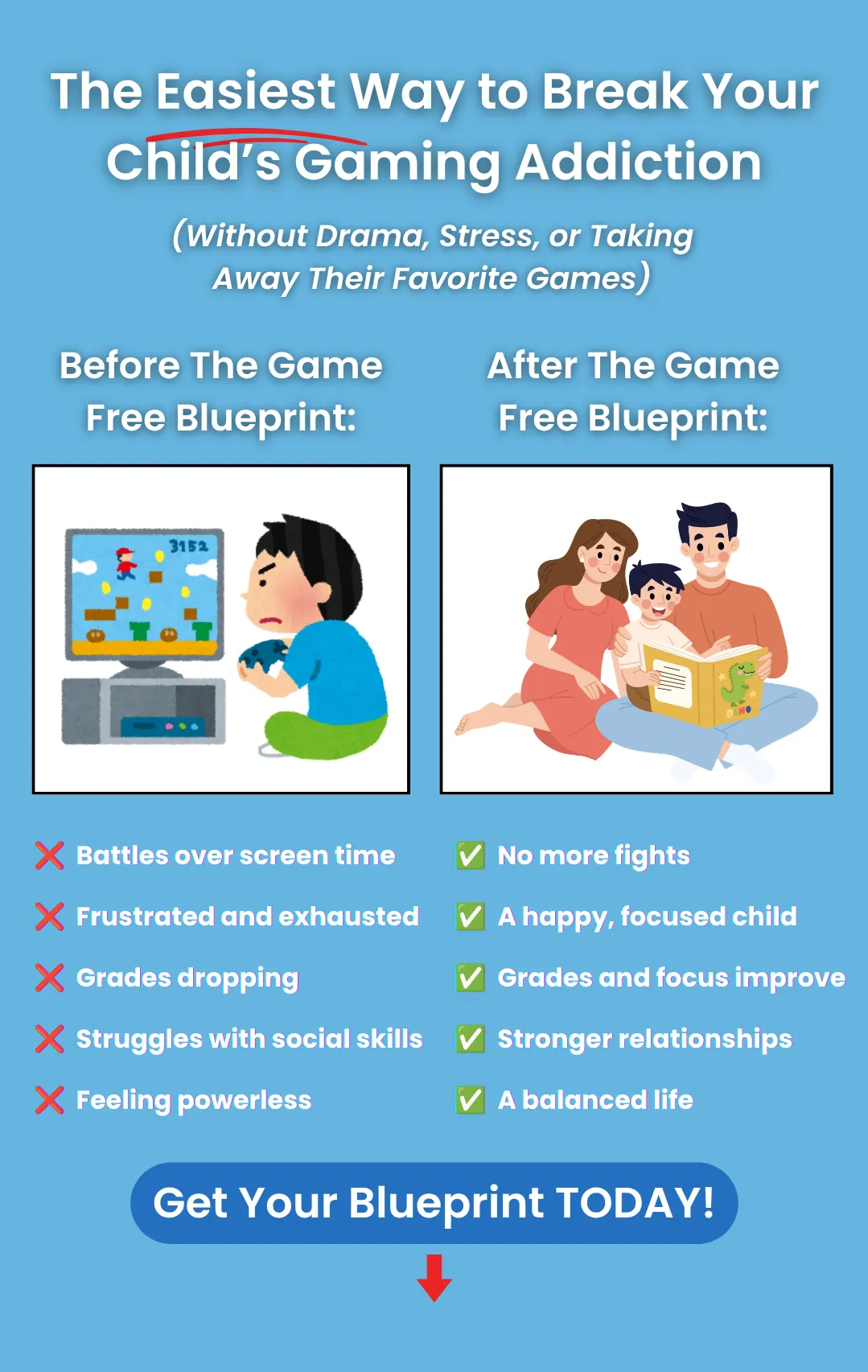
Begin your expansion today.
The right knowledge can change the way you think.
The right action can change the way you live.
Choose your guide and take your next step.

Integrity
Honesty and transparency.

Innovation
Fresh, creative solutions.

Excellence
Top-notch services.

The practical life-solutions library
for becoming your best self.
Expand your mind. Transform your life.
FOLLOW US


Copyright © 2026 I Am Expansion. All Rights Reserved.