












Why Your Jawline Can Still Look Soft—even When You Are Already Lean
Written by I AM EXPANSION Editorial Team
Published September 2026
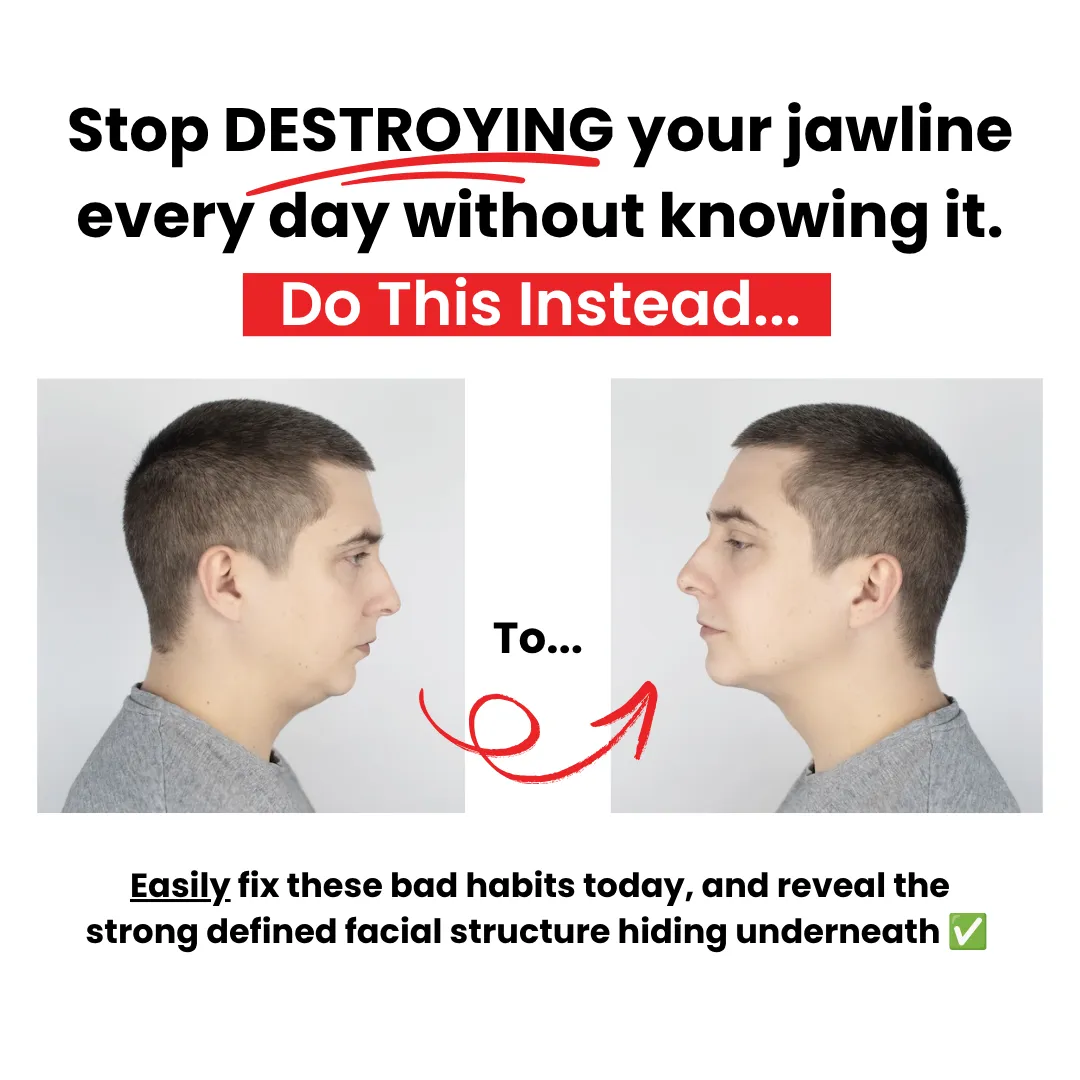
The short answer: A sharper-looking jawline is not controlled by one exercise. Facial puffiness, head and neck posture, sleep, hydration, food choices, muscle control, grooming and photography can all influence how clearly your natural features appear. The most useful approach is to understand which factors are hiding your definition instead of forcing one solution onto every face.
You can be fit, dress well and feel confident in person—then open your camera and wonder why your face suddenly looks rounder, younger or less defined than it did in the mirror. One photograph looks strong. The next makes your chin and neck seem to blend together.
That inconsistency can push men towards quick fixes: chewing gum for hours, copying random facial exercises, growing a beard to create an artificial edge or searching for the one camera angle that hides everything they dislike.
The frustration is not merely cosmetic. Looking younger than you feel, being described as “cute” when you want to appear mature or feeling invisible beside more angular-looking men can affect how you show up in photographs, dating profiles and social situations.
A sharper-looking jawline is often less about creating a new face and more about revealing the definition your everyday habits may be hiding.
Why Can Your Face Look Different From One Day to the Next?
Your underlying facial structure does not transform overnight, but its visible presentation can change. A late night, an unusually salty meal, alcohol, inconsistent hydration or a different camera position can make the same face appear noticeably softer.
Posture also matters. When your head drifts forward and your chin drops, the relationship between your jaw and neck changes. Even a naturally defined face can look less distinct when photographed from below or held in a collapsed position.
Lighting adds another layer. Soft front lighting can flatten angles, while directional light can reveal them. A phone held too close can distort proportions. This does not mean your appearance is imaginary—it means you need consistent conditions before judging whether something is changing.
Once you separate permanent structure from changeable visibility factors, the goal becomes far clearer: support the habits and presentation choices that help your natural face look its best.
Why Common Jawline Fixes Often Underperform
Chewing Gum Focuses on One Small Piece
Chewing works certain muscles, but it does not address forward-head posture, temporary puffiness, sleep, hydration or the way your photographs are taken. Treating it as the complete answer ignores most of the factors shaping visible definition.
Random Facial Exercises Lack a Clear Diagnosis
An exercise can only be purposeful when you understand what you are trying to improve and perform the technique correctly. Copying a different movement every few days makes it difficult to know what is useful, what is irrelevant and whether you are progressing.
Extreme Dieting Confuses Facial Definition With Rapid Weight Loss
Overall body composition can influence facial appearance, but a softer-looking face is not always evidence that you need an aggressive diet. Men who are already lean may still be dealing with posture, temporary water retention, grooming choices or inconsistent photographic conditions.
A Beard Can Create Contrast Without Building Understanding
Facial hair can complement a face shape, but not every man can—or wants to—depend on it. Using a beard as the only strategy may hide the area without helping you understand how posture, daily habits and presentation affect your natural features.
Perfect Angles Solve One Photograph
Knowing your angles is useful. Depending on one carefully rehearsed pose is different. If every photo feels like a test, the deeper goal is to build habits and awareness that make you feel more confident before the camera appears.
The Three Layers Behind a Sharper-Looking Face
1. Your Natural Foundation
Bone structure and natural face shape create the foundation. The useful question is not how to become someone else, but how to maximise the features you already have.
2. The Factors That Affect Visibility
Puffiness, head and neck position, body composition, muscle control, hydration, nutrition, sleep and recovery can all influence how easily your natural angles are seen.
3. The Way Your Features Are Presented
Grooming, lighting, expression, camera distance and posture affect what other people—and the camera—notice first. Thoughtful presentation supports your features without pretending to change your identity.
These layers explain why an isolated trick rarely feels complete. The strongest approach examines the foundation honestly, works on the visibility factors that can be influenced and uses presentation to reinforce—not manufacture—the result.
Five Principles for Making Your Natural Definition Easier to See
1. Establish a Consistent Starting Point
Do not compare a bathroom mirror at midday with a close phone photo taken at night. Use the same location, similar lighting, camera distance and head position whenever you assess change. Consistency turns photographs into useful feedback instead of emotional roulette.
2. Look for Patterns, Not One Bad Morning
One puffy day does not define your face. Notice whether your appearance changes after poor sleep, alcohol, unusual food choices or an inconsistent routine. Patterns give you something practical to work with; panic encourages another random fix.
3. Treat Posture as Part of Your Profile
Notice where your head sits when you work, walk and use your phone. A more balanced head and neck position can present the jaw-to-neck line more clearly while also helping your whole body appear more assured.
4. Support the Basics Before Chasing Hacks
Regular hydration, balanced food choices, sleep and recovery may sound less exciting than a viral technique, but they help create a more reliable baseline. It is difficult to judge any method when the basics change dramatically from day to day.
5. Use Presentation to Complement, Not Conceal
Choose grooming, expressions and camera conditions that support your natural face shape. The goal is not to create a misleading version of yourself. It is to stop allowing poor lighting, a distorted lens or collapsed posture to hide features that are already there.
A Four-Question Jawline Audit You Can Use Today
Before adding another exercise, look at your current pattern and ask:
- 1. Does my face look consistently soft, or does the appearance change noticeably across different days?
- 2. What happens to my jaw-to-neck line when I correct my usual head position?
- 3. Are my comparison photographs genuinely consistent in lighting, distance, height and expression?
- 4. Which daily factor—sleep, hydration, food choices, alcohol, posture or grooming—looks most connected to the result I dislike?
This changes the question from “Which trick will give me a jawline?” to “What is currently hiding the definition I already have?”
Your answers also prevent wasted effort. If posture is the clearest issue, another week of gum will not address it. If every photo uses different conditions, you need a reliable baseline before deciding that nothing is changing.
How to Take More Useful Progress Photographs
- Keep the camera distance consistent. Moving a phone closer can distort facial proportions and make comparisons unreliable.
- Use the same general lighting. Compare like with like instead of treating every shadow as physical progress.
- Hold a neutral expression. Clenching, stretching or forcing the chin forward changes the picture you are measuring.
- Capture more than the front view. A consistent side or three-quarter view can reveal posture and neck positioning more clearly.
- Review at sensible intervals. Constant checking magnifies tiny daily changes and makes steady habits harder to appreciate.
The purpose of progress photographs is not to produce a flattering social-media image. It is to create an honest record. Once you have a reliable comparison, grooming and photography can then be used separately to present your strongest features with confidence.
What Meaningful Progress Can Look Like
Progress is easier to recognise when you stop asking whether your entire face has transformed overnight. Look for signs that your habits, awareness and presentation are becoming more consistent:
- You recognise which habits are connected to temporary puffiness.
- Your head and neck position looks more balanced in everyday photographs.
- Your comparisons become reliable enough to show trends rather than random angles.
- You spend less time chasing contradictory tips because your routine has a clear purpose.
- You feel more confident presenting your natural features without depending on a beard or one perfect pose.
The bigger win is not obsessing over a single line on your face. It is understanding your appearance well enough to make purposeful choices, track them honestly and carry yourself with more confidence.
Frequently Asked Questions
Can Chewing Gum Create a Defined Jawline by Itself?
It focuses on only one area. Visible definition is also influenced by posture, puffiness, body composition, daily habits, grooming and photography, so one repeated action is unlikely to address the complete picture.
Why Does My Face Look Soft When My Body Is Lean?
A lean body does not automatically remove temporary puffiness, forward-head posture, natural face shape or presentation choices that soften visible angles. Assess those factors separately before assuming more weight loss is the answer.
Do I Need to Grow a Beard?
No. Facial hair is one grooming option, not a requirement. Men who are clean-shaven can still improve how their natural face shape is supported through posture, daily habits, grooming and photography.
Why Do I Look Better in the Mirror Than in Phone Photos?
Mirrors, lenses, distance, camera height and lighting present your face differently. A close phone camera can exaggerate proportions, while an unfamiliar frozen expression may feel unlike the face you normally see moving in a mirror.
What Can a 30-Day Structure Help Me Build?
A structured month gives you time to establish a baseline, practise more consistent habits, observe relevant patterns and create a routine you can maintain. The focus is on maximising visible natural definition—not trying to replace your permanent facial structure.
Do I Need Expensive Equipment?
Most of the core factors involve assessment, daily habits, posture, muscle control, grooming and consistent photography rather than complicated equipment.
One Better Photograph Helps. A Complete System Builds the Routine.
If you are tired of contradictory videos, isolated facial exercises and never knowing whether you are tracking real progress, general advice can still leave you asking what to do first and how the pieces fit together.
The Jawline Code brings facial analysis, progress tracking, posture, facial and neck muscle control, puffiness management, lifestyle habits, grooming and photography into one practical seven-module, 30-day system for men who want to reveal their strongest natural features.
EXPLORE THE JAWLINE CODE
Begin your expansion today.
The right knowledge can change the way you think.
The right action can change the way you live.
Choose your guide and take your next step.

Integrity
Honesty and transparency.

Innovation
Fresh, creative solutions.

Excellence
Top-notch services.

The practical life-solutions library
for becoming your best self.
Expand your mind. Transform your life.
FOLLOW US


Copyright © 2026 I Am Expansion. All Rights Reserved.